
5 Signs Your Loved One May Need In-Home Care (And What to Do Next)
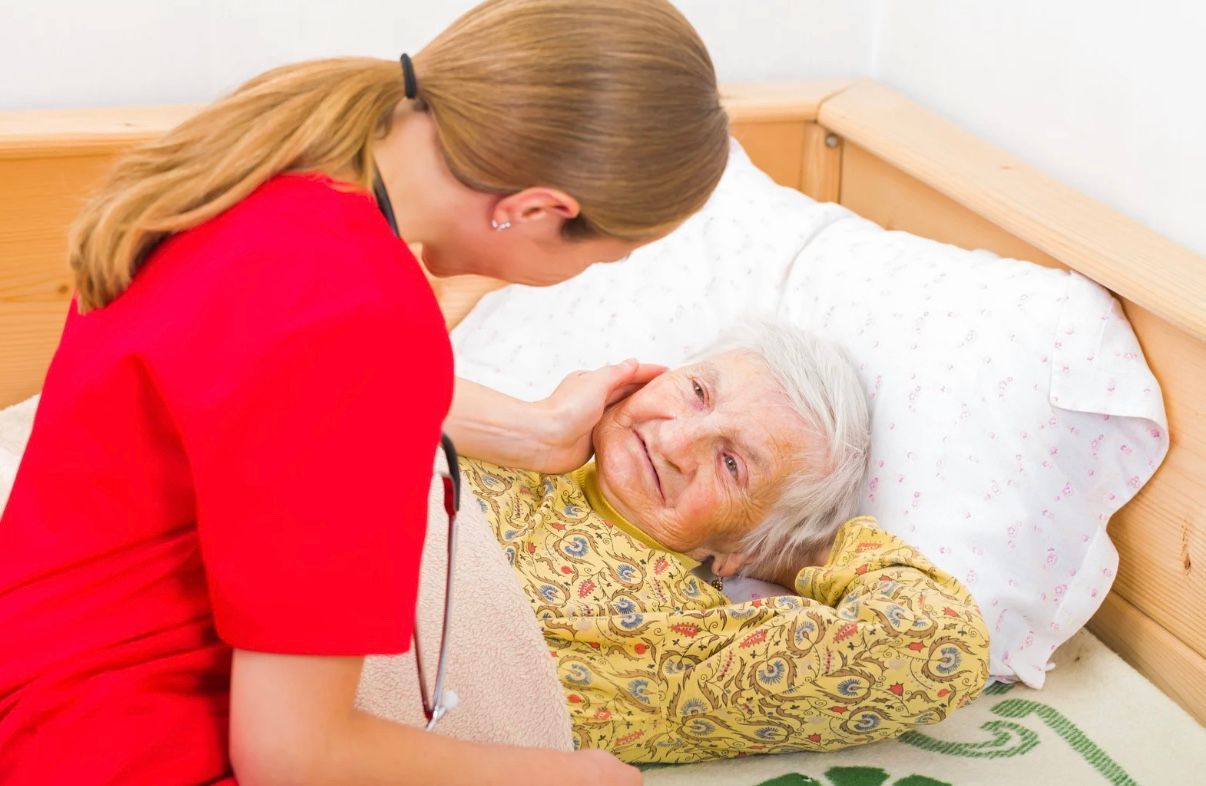
As our loved ones age, it can be difficult to know when extra help is needed. Many families wait too long—often until there’s a crisis. The truth is, early support can dramatically improve quality of life, safety, and independence.
Here are 5 key signs it may be time to consider in-home care.
1. Difficulty with Daily Activities
If your loved one is struggling with basic tasks like bathing, dressing, cooking, or cleaning, it’s a strong sign they may need support.
These are called Activities of Daily Living (ADLs)—and when they become difficult, safety becomes a concern.
2. Increased Falls or Safety Concerns
Falls are one of the leading causes of injury among seniors.
Warning signs include:
- Unexplained bruises
- Trouble walking or balancing
- Cluttered or unsafe living conditions
A safe home environment is critical for maintaining independence and preventing injuries.
3. Memory Issues or Confusion
Forgetting medications, appointments, or getting lost in familiar places can indicate cognitive decline.
Even mild memory issues can quickly turn into serious risks without supervision.
4. Poor Nutrition or Weight Loss
If you notice:
- Expired food in the fridge
- Skipped meals
- Sudden weight loss
…it may mean your loved one is no longer able to properly care for themselves.
Nutrition plays a major role in overall health, especially for seniors managing conditions like diabetes or heart disease.
5. Social Withdrawal or Loneliness
Isolation is one of the most overlooked risks in aging.
Signs include:
- Less communication
- Avoiding activities they used to enjoy
- Signs of depression
Companionship is a core part of home care, not just physical assistance.
What Should You Do Next?
If you recognize any of these signs, don’t wait.
Here’s a simple plan:
- Start the conversation early – approach with care, not control
- Assess their needs honestly – safety first
- Explore in-home care options – even part-time help makes a difference
- Get professional guidance – don’t navigate this alone
Home care allows seniors to remain in the comfort of their own home while receiving personalized support tailored to their needs.